Hard water is one of the biggest hidden reasons behind machine failure and efficiency loss in industries. The right solution is to treat hardness before scale forms and damages equipment. Hard water contains minerals like calcium and magnesium that convert into scale inside pipes, boilers, chillers, and heat exchangers, reducing flow, heat transfer, and overall machine performance.
It may seem minor, but the impact is huge- more energy use, more breakdowns, more maintenance, and reduced productivity. In this blog, we highlight the Top 10 Industrial Problems Caused by Hard Water, their fixes, hardness levels, and industries most affected.
Hard water is water with high levels of dissolved minerals, mainly calcium and magnesium. These minerals are naturally present in groundwater and increase as water passes through soil and rock.
When hard water enters industrial systems, it leaves behind mineral deposits that slowly harden into scale. This reduces machine efficiency and increases operational pressure.
Hardness Level is measured in PPM (parts per million) or mg/L. The higher the number, the more scaling problems will occur.
Hardness Level | PPM (mg/L) | Industrial Impact |
Soft Water | 0–60 ppm | No scaling, machine safe |
Moderately Hard | 61–120 ppm | Minor deposits, early signs of scaling |
Hard Water | 121–180 ppm | Noticeable scaling, reduced efficiency |
Very Hard Water | 181–250 ppm | Strong scaling, increased maintenance needs |
Extremely Hard Water | 250+ ppm | Rapid scaling, high mechanical damage |
Industries operating in areas with 200–600 PPM hardness are at the highest risk. Over time, such levels drastically increase energy use, corrosion, and machine breakdown frequency.
Hard water leads to scale, corrosion, higher power usage and frequent machine failure in industries.
It slowly reduces efficiency, increases maintenance cost and disrupts production flow.
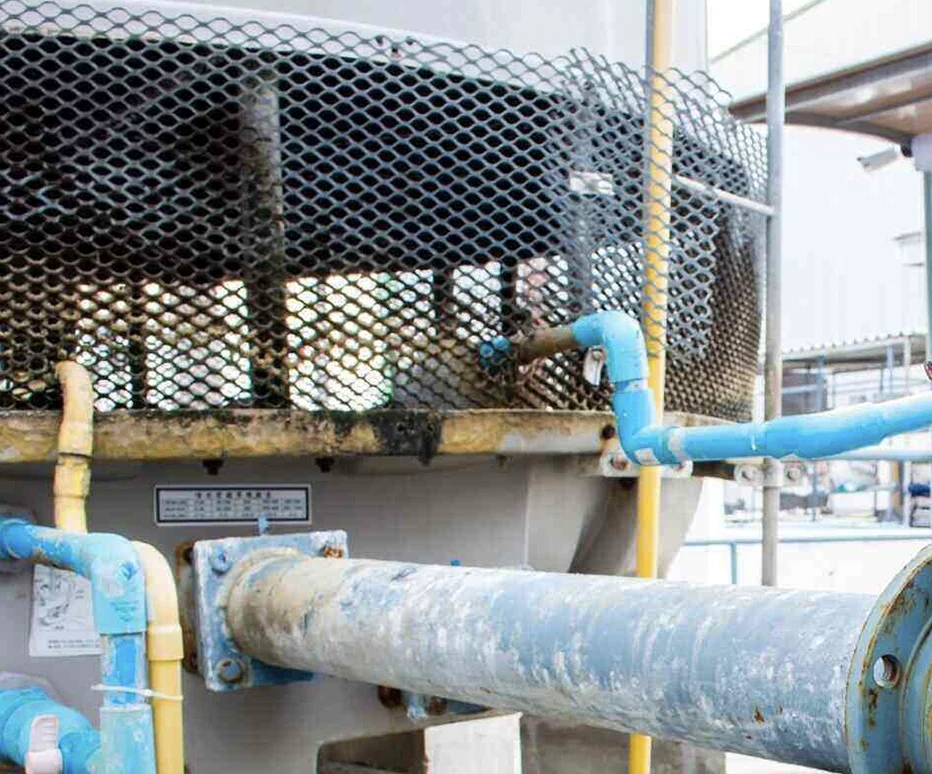
The most common and damaging issue caused by hard water is scale. Minerals stick inside machinery and become harder with time, blocking internal channels.
Fix: Install a water softening system and schedule internal descaling.
Heat transfer equipment loses efficiency when scale forms as an insulating layer. It forces boilers and chillers to run longer.
Fix: Maintain heat exchanger cleaning cycles and prevent scale at the source.
Hard water forces systems to work harder, resulting in higher energy costs. Scale increases resistance, making equipment consume 20-40 percent more power.
Fix: Start water treatment to reduce extra load on equipment.
Scale blocks components like pumps and seals, causing machines to fail unexpectedly.
Fix: Prevent hard-water scaling to reduce breakdowns and repair needs.
Hard water minerals accelerate corrosion. Rust weakens metal surfaces and contaminates production water.
Fix: Maintain pH balance and prevent mineral bonding.
Scale slowly narrows pipe diameter, reducing water pressure and affecting production line flow.
Fix: Periodic descaling of pipelines and inflow treatment.
Industries that rely on water during production are affected most. Hard water changes texture, purity, color, taste and reaction stability.
Fix: Use treated or softened water for consistent production quality.
Machines exposed to hard water require frequent servicing, repair and component replacement.
Fix: Prevent scale rather than spending repeatedly on fixing it.
Hard water stress shortens machine life drastically. Equipment designed for 10–12 years may last only 5–6 years.
Fix: Maintain scale-free internal surfaces to maximize lifespan.
Scaling causes frequent slowdowns that delay production schedules and reduce output. Downtime increases losses and disrupts business flow.
Fix: Treat water before it reaches machinery to maintain continuous production.
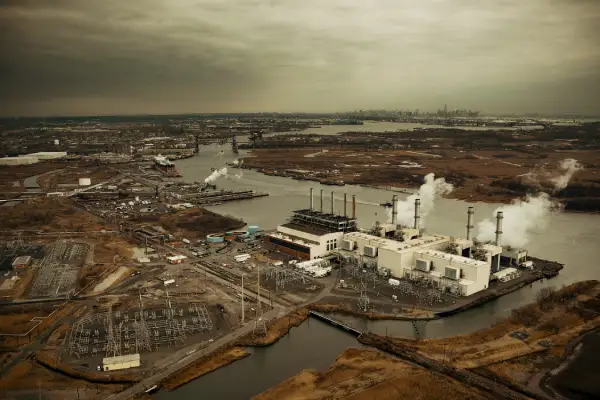
Hard water impacts almost every industry where water is used for heating, cooling, processing, washing or steam generation. The industries listed below face the highest risk of scaling, corrosion, downtime and energy loss due to high mineral content in their water supply.
Hard water is not just a minor water concern, it directly impacts industrial productivity, machine lifespan, energy efficiency and overall running cost. Scale buildup slows production, accelerates corrosion, increases repair frequency and damages critical equipment silently over time.
The smartest approach is to prevent scale before it forms rather than repairing damage later. Using Industrial Water Softeners, hardness treatment systems and scale-control technologies at the inlet stage helps protect equipment, reduce fuel and power usage, maintain smooth flow and ensure consistent output quality. Preventive treatment always costs less than shutdowns, part replacements or early machinery failure.
Industries that adopt water softening or treatment solutions early operate more efficiently, save maintenance expense and achieve long-term reliability and performance stability.
Cooling towers, boilers, heat exchangers, RO plants, pipelines, and manufacturing machinery face the most damage from scaling and mineral buildup.
Scale acts as an insulator on heat-transfer surfaces, forcing equipment to use more energy to achieve the same output.
No. Water softeners only reduce hardness, not TDS. For drinking water, you still need an RO or purifier.
Yes. Continuous scaling, corrosion, and clogging lead to overheating, reduced flow, and premature breakdown of industrial components.
Installing water softeners, antiscalant dosing, proper blowdown, RO systems, and regular water quality monitoring effectively control hard water damage.
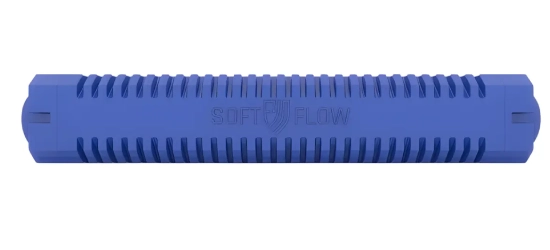
Yes, salt-free units help reduce scaling and maintenance. For severe hardness, advanced systems like SOFTFLOW® F1 or ion-exchange softeners deliver better long-term protection.
Stay informed about new tips, offers, and product updates.

Brand by Aquaficient Technologies Pvt Ltd.
Aquaficient Technologies Private Limited
#A1&2, Dwarakavasa Road, Bharath Nagar, Bengaluru, Karnataka, 560091.
Get notified with our latest updates and innovations.
© 2024 Copyrights by Aquaficient Technologies Private Limited. All right reserved.
Designed & Developed by SwaParichay Studios